What was planned?
Reservations tell you when rooms, spaces and other areas are scheduled to be used.
HBT OCCUPANCY INTELLIGENCE
A clearer view of how people move through and use your buildings.
Collate, analyse and forecast occupancy usage, underpinned by technology. Turn the way spaces are used into better informed decisions.
From occupancy to opportunity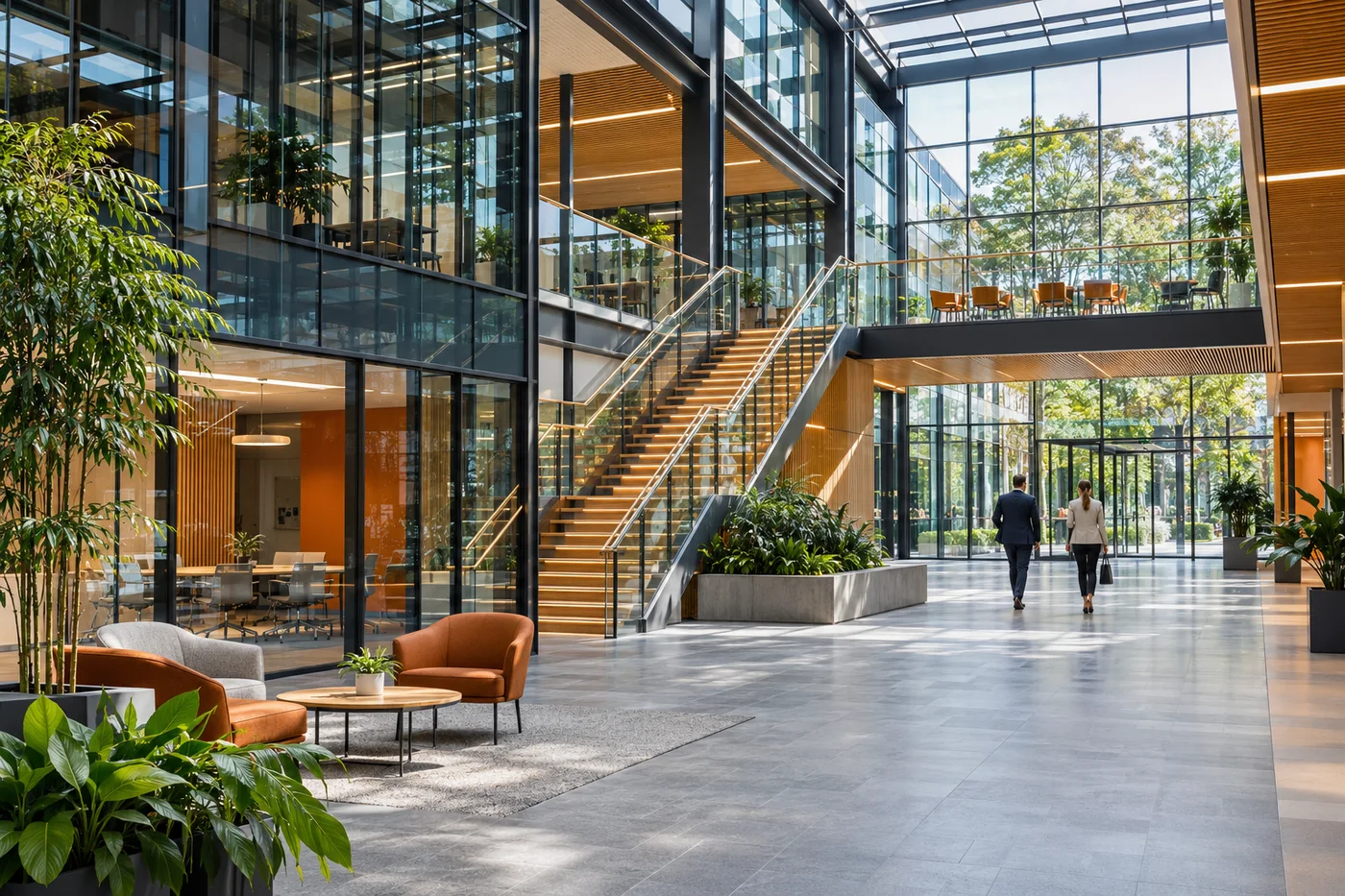
CollateBring your data together
AnalyseUnderstand actual use
ForecastAnticipate future demand
ActMake informed decisions
01 / BEYOND THE BOOKING
Management teams know when rooms and spaces are booked, but often have limited visibility of actual occupancy: how spaces are used, by how many people and for how long.
Reservations tell you when rooms, spaces and other areas are scheduled to be used.
Occupancy data reveals people counts, movement and dwell time, bringing actual use into view.
Connect these insights with environmental conditions and energy use to identify opportunities across your estate.
02 / SEE THE PATTERNS
Compare scheduled use with actual occupancy to identify unused bookings, unexpected occupancy and mismatches.
Understand the relationships between reservations, occupancy, dwell time, environmental conditions and energy use. Use historical patterns to forecast demand and support space planning.
See how the systems connectIllustrative example · sample data
A booking shows intent.
Occupancy shows use.
Sample percentages of available capacity over a selected period. Concept illustration, not a product screenshot or live data.
03 / BUILT AROUND YOUR SPACES
From a single room to a connected estate, understand where demand and actual use differ — and what that means for the people who manage and use your buildings.
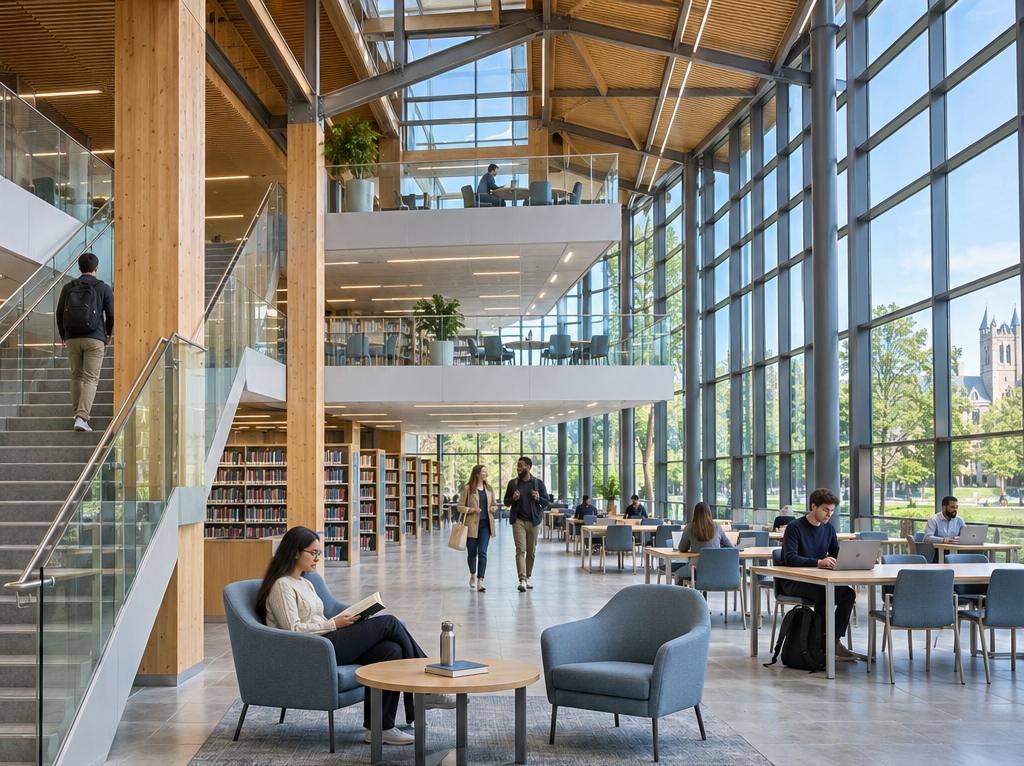
LEARN / MEET / COLLABORATE
Teaching rooms, lecture theatres, libraries, meeting rooms and shared workspaces. Compare reservations with real use and identify underused or oversubscribed areas.
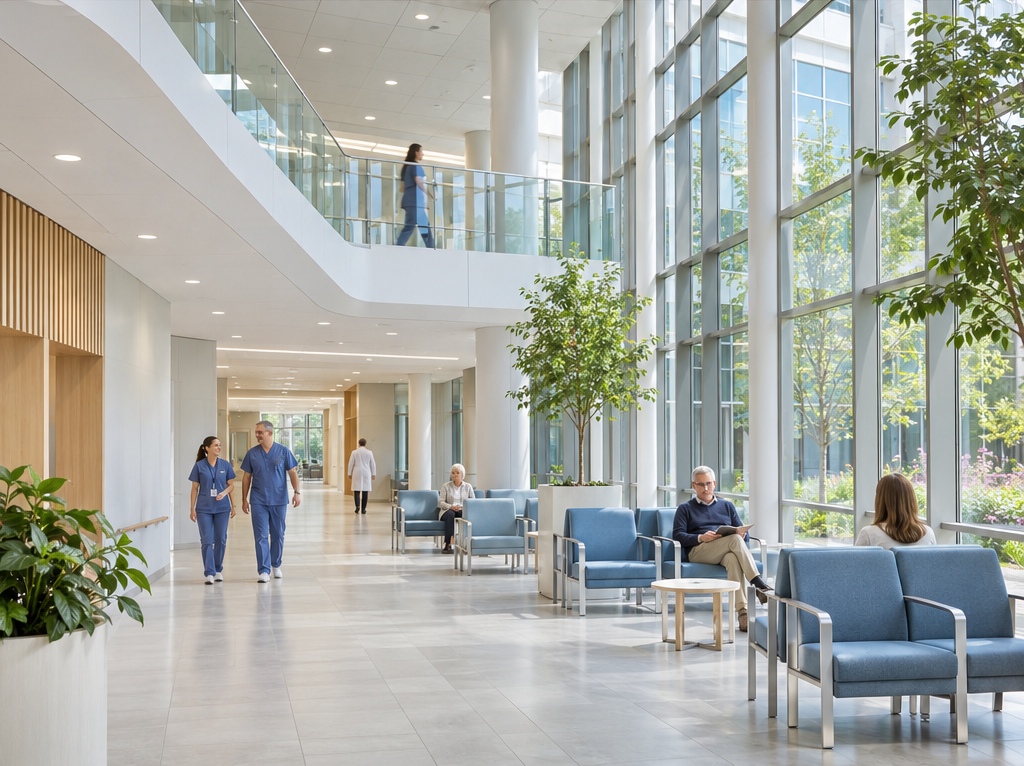
WELCOME / WAIT / GATHER
Waiting areas, outpatient departments, exhibition spaces, restaurants and shared facilities. Understand movement, dwell time and changing patterns of demand.
ACROSS YOUR ESTATE Education / Healthcare / Workplaces / Hospitality / Cultural & public spaces
04 / CONNECT THE INFORMATION
Bring reservation, occupancy and environmental information together. The right combination depends on your existing systems and the questions you need to answer.
Securely stored data for visualisation, alerts, benchmarking and historical modelling.
Collate data from existing or additional sensors, lighting occupancy detectors or access pass systems to understand actual use.
Bring together room schedules, room booking, event planning, office schedules and hotel booking information, with automated collection where supported.
Use live occupancy to inform installed building management and lighting systems through supported BMS protocols and APIs, allowing spaces to respond to actual use.
Collate and securely store information for visualisation, alerts, benchmarking and historical modelling. Confirm coverage, data quality, access and integration requirements for your estate with HBT.
05 / TURN INSIGHT INTO ACTION
Use occupancy intelligence to connect everyday operational decisions with the longer-term performance of your estate.
Avoid unnecessary heating, cooling, lighting and ventilation by aligning building operation with actual use.
Adapt conditions to occupancy and use, helping spaces respond to the people within them.
Identify underused, overused and incorrectly booked spaces to make better use of what you already have.
Understand how reservations, dwell time, occupancy, environmental conditions and energy use relate.
Use historical patterns to forecast occupancy usage and anticipate changing demand.
Notify users of upcoming occupancy levels to help them plan their use of spaces.
Bring usage reporting together to support consistent operational review.
Use benchmarking and modelling for space planning, operational comparisons and future design.
TAKE THE OVERVIEW WITH YOU
Explore the use case, information, components, actions and benefits in the original HBT service overview.
A FEW USEFUL ANSWERS
Every estate has a different starting point.
Talk through yours ↗
The service can collate information from existing or additional sensors, lighting occupancy detectors, access pass systems and reservation systems. HBT can help establish what is available and which connections are appropriate for your spaces.
No. The use case is spaces: meeting rooms, classrooms, exhibitions, restaurants, waiting areas and other shared facilities. The focus is understanding actual use and connecting that insight to the decisions you need to make.
Live occupancy can inform BMS and lighting systems through supported protocols and APIs. The connections and control approach need to reflect the installed systems and each space’s operational requirements.
Start with the questions you need to answer. Agree the appropriate coverage, level of detail, access and privacy requirements before selecting data sources or adding sensors. These requirements will depend on your spaces and systems.
LET’S UNDERSTAND YOUR SPACES
Tell us about your spaces, the systems you already have and the decisions you want to make. We’ll help you explore the next step.
Discuss occupancy intelligenceTALK TO HBT
digital@hbt.onePrefer a conversation?
+44 (0)7557 641 760Email opens your email app.
Or call us to discuss your spaces.